
Peace in Ukraine: Deal or Deadlock?
Virtual Briefing Series
Wednesday, February 18, 2026 | 12:00 PM – 1:00 PM ET
Four years after Russia’s second invasion of Ukraine and its ensuing war, new attempts are being made to end the conflict. This past January, Ukrainian President Volodymyr Zelenskyy called the three-way talks between representatives of Ukraine, Russia, and the United States in Abu Dhabi “constructive.” These recent diplomatic efforts have put new ideas on the table, from prisoner exchanges to postwar reconstruction and possible security guarantees. However, the hardest questions remain unresolved: control of key territory, how to prevent a renewed attack, and who would manage critical infrastructure like the Zaporizhzhia nuclear power plant. In addition, the US is putting pressure on Ukraine to meet Russian demands that Kyiv surrender the entirety of Donetsk while leaving its offered security guarantees unclear in details and commitment. What is the status of the war in Ukraine? Where do things stand politically, militarily, and economically? And what would be the next steps towards a final settlement?
Join us for an insightful virtual discussion on the current state of the war and the peace process in Ukraine on Wednesday, February 18th, from 12 PM to 1 PM ET, featuring Ambassador John E. Herbst, Senior Director of the Atlantic Council’s Eurasia Center & former U.S. ambassador to Ukraine, and Professor Philip Zelikow, Botha-Chan Senior Fellow at Stanford University’s Hoover Institution.
COULDN’T ATTEND OUR EVENT? Don’t worry. You can watch it below
SPEAKERS:
Ambassador John E. Herbst
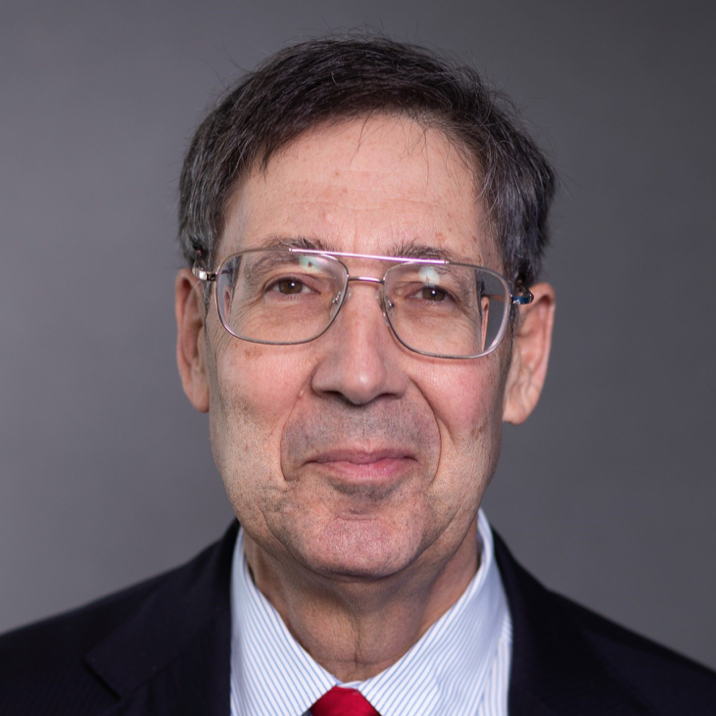 Ambassador John E. Herbst, Senior Director of the Atlantic Council’s Eurasia Center & former US ambassador to Ukraine.
Ambassador John E. Herbst is senior director of the Atlantic Council’s Eurasia Center and served for thirty-one years as a foreign service officer in the US Department of State, retiring at the rank of career minister. He was US ambassador to Ukraine from 2003 to 2006, when he worked to enhance US-Ukrainian relations, help ensure the conduct of a fair Ukrainian presidential election, and prevent violence during the Orange Revolution. Prior to that, he was ambassador to Uzbekistan (2000-03), where he played a critical role in the establishment of an American base to help conduct Operation Enduring Freedom in Afghanistan. He also promoted improved US-Uzbek relations, in part by encouraging the government in Tashkent to improve its human rights record.
In his last four years at the State Department, he served as the coordinator for reconstruction and stabilization, leading the US government’s civilian capacity in societies in transition from conflict or civil strife, and to provide support to countries at risk of instability. He oversaw the establishment of the Civilian Response Corps of the United States, the US civilian rapid response force for reconstruction and stabilization operations overseas.
Ambassador Herbst previously served as US consul general in Jerusalem; principal deputy to the Ambassador-at-Large for the Newly Independent States; the director of the office of independent states and commonwealth affairs; director of regional affairs in the Near East Bureau; and at the embassies in Tel Aviv, Moscow, and Saudi Arabia.
He most recently served as director of the center for complex operations at National Defense University. He has received the Presidential Distinguished Service Award, the Secretary of State’s Career Achievement Award, and the State Department’s Distinguished Honor Award. Ambassador Herbst has written book chapters, articles, and op-eds on stability operations in Central Asia, Ukraine, and Russia. His writings have appeared in the New York Times, the Washington Post, the Atlantic, the National Interest, and Foreign Policy. He has been a frequent guest discussing the Ukraine crisis on television and radio.
Ambassador Herbst earned a Bachelor of Science in Foreign Service from Georgetown University’s School of Foreign Service, Phi Beta Kappa, and a Master of Law and diplomacy, with distinction, from the Fletcher School at Tufts University. He also attended the Johns Hopkins University School of Advanced International Studies Bologna Center.
Professor Philip Zelikow
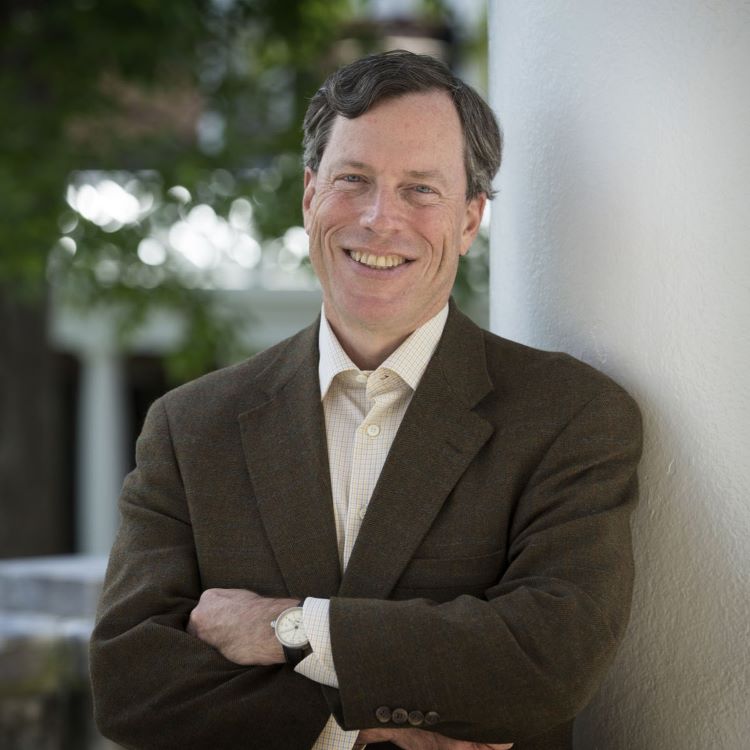 Professor Philip Zelikow, Botha-Chan Senior Fellow at Stanford University’s Hoover Institution.
Philip Zelikow is the Botha-Chan Senior Fellow at Stanford University’s Hoover Institution. For 25 years he held a chaired professorship in history at the University of Virginia, where he also directed the nation’s leading research center on the American presidency. For seven years before that, he was an associate professor at Harvard University.
In his scholarship, Zelikow focuses on critical episodes in world history and the challenges of policy design and statecraft. His most recent book is The Road Less Traveled: The Secret Turning Point of the Great War, 1916-17 (2021).
An attorney and former career diplomat, Zelikow’s federal service includes work across the government in the five administrations from Reagan through Obama. On the NSC Staff (1989-91) he took part in the diplomacy to unify Germany and end the Cold War. As Counselor of the Department of State (2005-07), he had deputy-level policy responsibilities on issues around the world. He is one of few Americans to have served on the President’s Intelligence Advisory Board for presidents from both political parties.
Zelikow has also directed three successful and bipartisan national commissions: the Carter-Ford commission on federal election reform (2001), the 9/11 Commission (2004), and the Covid Crisis Group. That group’s acclaimed report, Lessons from the Covid War, was published in April 2023.
OUR VIRTUAL BRIEFINGS ARE OPEN AND FREE FOR PEOPLE AROUND THE WORLD
NOT YET A NETWORK 20/20 MEMBER?
Apply today to enjoy all exclusive briefings with high-profile speakers
Image credit: Photo by Anastasiia Krutota on Unsplash
We are trying our best to keep our community informed about foreign affairs, and we would appreciate if you can support us to keep this virtual briefing series going. No amount is too small.