
Israel After the Elections
Virtual Salon, Members-only Briefing
Friday, December 18, 2026 | 12:00 – 1:15 PM ET
More than a month after Israel’s October 27 election, the country’s political future remains unsettled. Neither Prime Minister Benjamin Netanyahu’s bloc nor the opposition won a majority in the Knesset. Opposition leader Gadi Eisenkot now holds the mandate to form a government, but every path to a coalition involves difficult compromises, and if talks fail, Israelis may be headed back to the polls.
Join us for a discussion examining where coalition negotiations stand, what a new government could change at home and abroad, and what’s at stake if the deadlock continues. How would a change in leadership shape Israel’s approach to the fragile ceasefire in Gaza and the ongoing confrontation with Iran? And what would these developments mean for U.S.-Israel relations and for American policy toward Israel and the wider region?
Join us for a private, members-only conversation with Dr. Michael Koplow, the Chief Policy Officer of Israel Policy Forum and a Senior Research Fellow of the Kogod Research Center at the Shalom Hartman Institute of North America, on Friday, December 18 from 12:00 to 1:15 PM ET, where he will explore these questions and more.
Dr. Michael Koplow
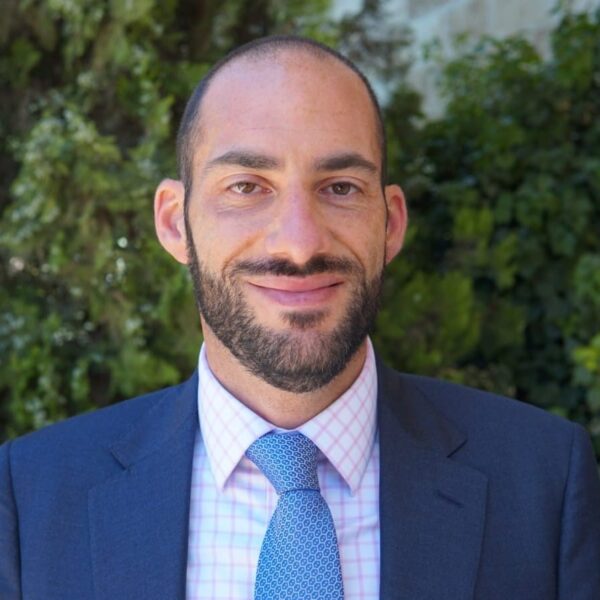
Dr. Michael Koplow is the Chief Policy Officer of Israel Policy Forum and a Senior Research Fellow of the Kogod Research Center at the Shalom Hartman Institute of North America.More than a month after Israel’s October 27 election, the country’s political future remains unsettled. Neither Prime Minister Benjamin Netanyahu’s bloc nor the opposition won a majority in the Knesset. Opposition leader Gadi Eisenkot now holds the mandate to form a government, but every path to a coalition involves difficult compromises, and if talks fail, Israelis may be headed back to the polls. Join us for a discussion examining where coalition negotiations stand, what a new government could change at home and abroad, and what’s at stake if the deadlock continues. How would a change in leadership shape Israel’s approach to the fragile ceasefire in Gaza and the ongoing confrontation with Iran? And what would these developments mean for U.S.-Israel relations and for American policy toward Israel and the wider region?
NOT YET A NETWORK 20/20 MEMBER?
Apply today to enjoy all exclusive briefings with high-profile speakers
We are trying our best to keep our community informed about foreign affairs, and we would appreciate if you can support us to keep this virtual briefing series going. No amount is too small.